
The History of Steakhouses
This guide tells the story and history of steakhouses from their beginnings to the time when they became a well-known type of restaurant. It explains why steakhouse menus focus on a small selection of cuts, why service feels formal, and why the cut matters so much.
Many of the things people associate with steakhouses have been around for a long time.
This is a light, easy-to-read account of how the modern steakhouse came to be.
Origins of Steak Dining
In pre-industrial societies across Europe and the Americas, people did not eat meat regularly for a few reasons:
- Raising livestock required land, labour, and time.
- Preserving meat was difficult without refrigeration.
- Large cuts of meat were expensive.
- Meat spoiled quickly once slaughtered.
How Steak Was Cooked Before Modern Kitchens
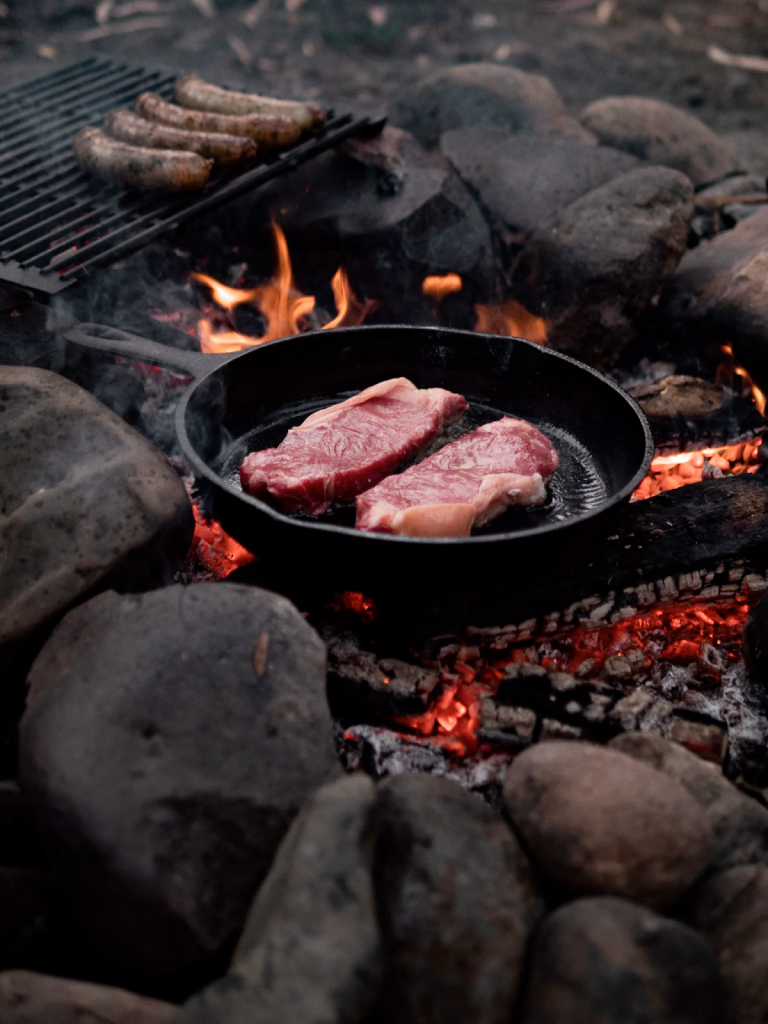
Cooks roasted or grilled meat over open fires. They relied on basic tools. They did not use specialised techniques or layered preparations.
Results depended on the quality of the animal and control over heat. This strong connection between meat and fire influenced early ideas about how to cook well.
People judged steak by how well the cooks handled it. They did not judge it by how much the cooks added to it. This principle is carried forward.
Meat as a Shared and Social Meal
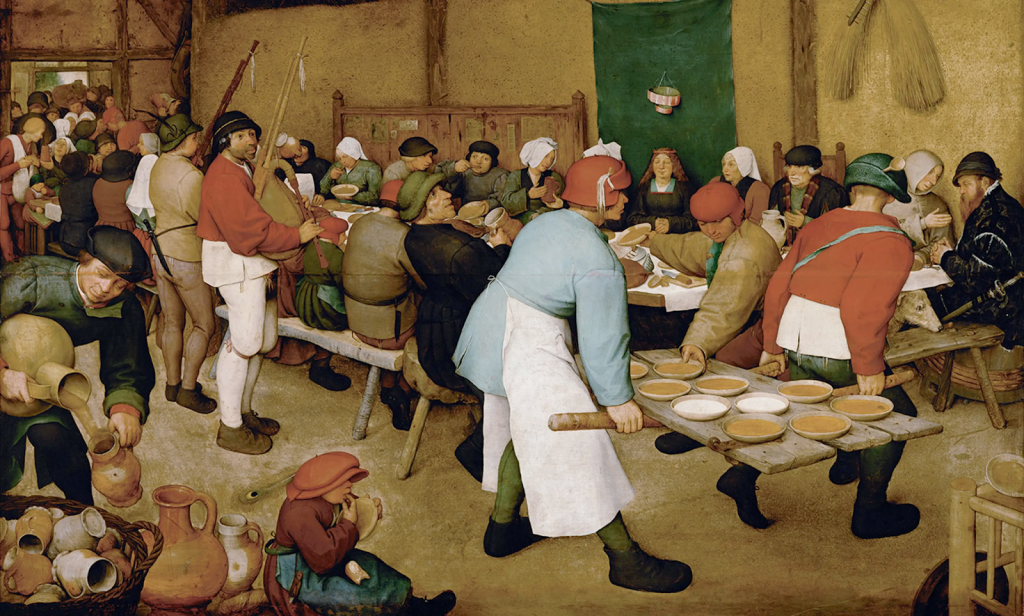
People rarely ate large cuts of meat alone. Families and communities shared them during meals and celebrations.
Eating beef or other large animals signalled abundance and generosity. Serving meat became a social act tied to an occasion.
This practice reinforced the value of meat and linked it to gathering. That association later influenced how restaurants served steak.
Early Taverns and Inns Before Steakhouses
Public places to eat existed long before steakhouses. Inns and taverns served travellers and workers. These guests needed meals that would fill them up. Kitchens focused on practicality. Portions were generous. Menus offered little variety.
Meat appeared when available. It did not define the experience. These spaces prioritised sustenance over indulgence. People did not yet go out specifically to eat steak.
| Trivia: Before refrigeration, people often cooked and ate meat soon after slaughter. This practice strengthened the link between fresh cuts, fire, and communal meals. |
Early European Steakhouse Traditions
Over time, people began looking for places outside the home to eat meat by choice rather than out of necessity. Europe was among the first places in the world where people went out to eat meat.
Chophouses in England
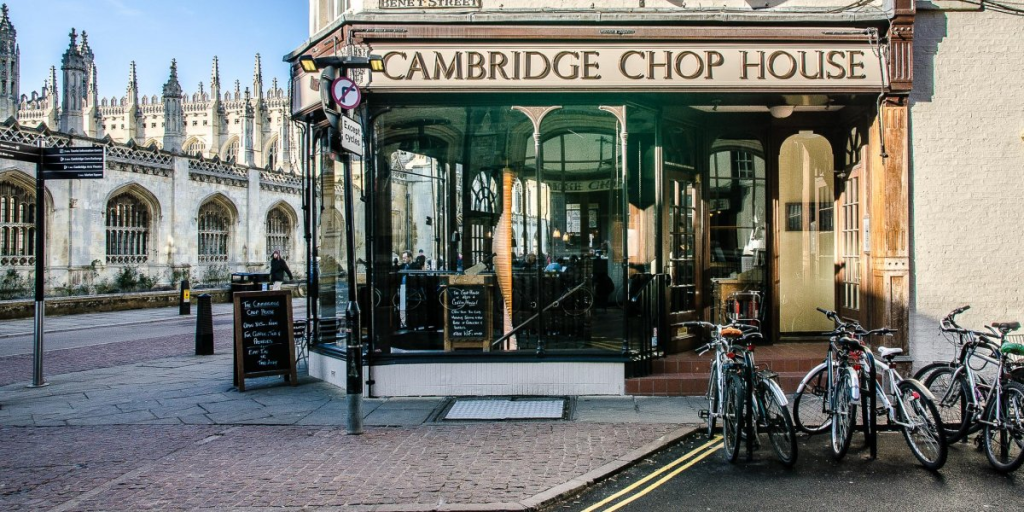
In England, chophouses emerged during the 17th and 18th centuries as practical dining rooms for working men and merchants.
Meals centred on roasted and grilled chops. Mutton often featured alongside beef. Portions were generous. Prices were predictable. Interiors were plain, and service was direct. The food was filling and consistent.
Chophouses helped establish the habit of stepping out specifically to eat meat.
Early Meat-Focused Dining in Europe
In other parts of Europe, people began eating meat outside the home in more organised ways.
- Eating Pattern – Food followed a simple sequence. Something small came first, followed by a main dish built around meat.
- Seating Pattern – People’s seating patterns were affected by groups and relationships. The host sat next to important guests.
- Service Pattern – Food arrived at the right points in the meal. Staff waited before clearing plates. Interactions with diners were polite and predictable.
This shift in dining habits eventually made meat-dining in public feel deliberate. Eating meat out became a choice. It influenced where people chose to eat and why.
| Trivia: English chophouses helped normalise the idea of going out specifically for chops and roasts, long before ‘steakhouse’ became a recognised term. |
The Rise of the American Steakhouse
Why Steakhouses Developed in the United States
European dining traditions introduced structure and routine to eating meat outside the home. Europe did not produce beef in large enough volumes to support meat-focused dining at scale.
The United States did. Several factors made this shift possible:
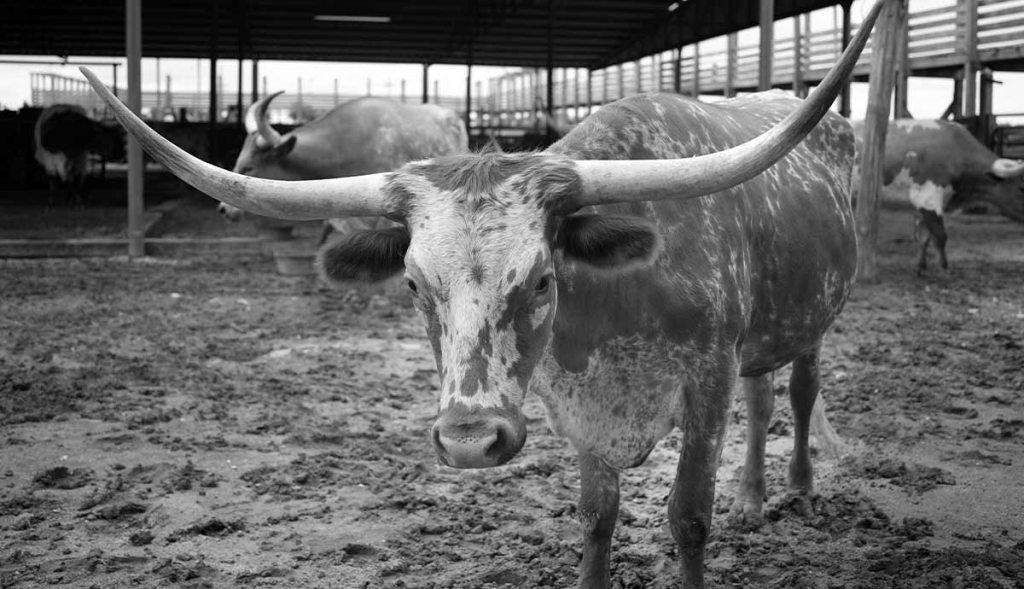
- Cattle farming grew rapidly across the country. Large herds developed in regions like Texas and the Midwest.
- Rail transport changed how meat was moved between regions. Refrigerated railcars allowed beef to travel long distances without spoiling.
- Cities received steady and predictable supplies of beef. Restaurants no longer relied only on local butchers. Kitchens could plan menus around a consistent beef supply.
These conditions allowed meat dining to move from habit to institution.
The steakhouse most people recognise today was formed in the United States during the 19th century.
The Birth of the American Steakhouse
As beef became more available, some restaurants built their identity around steak.
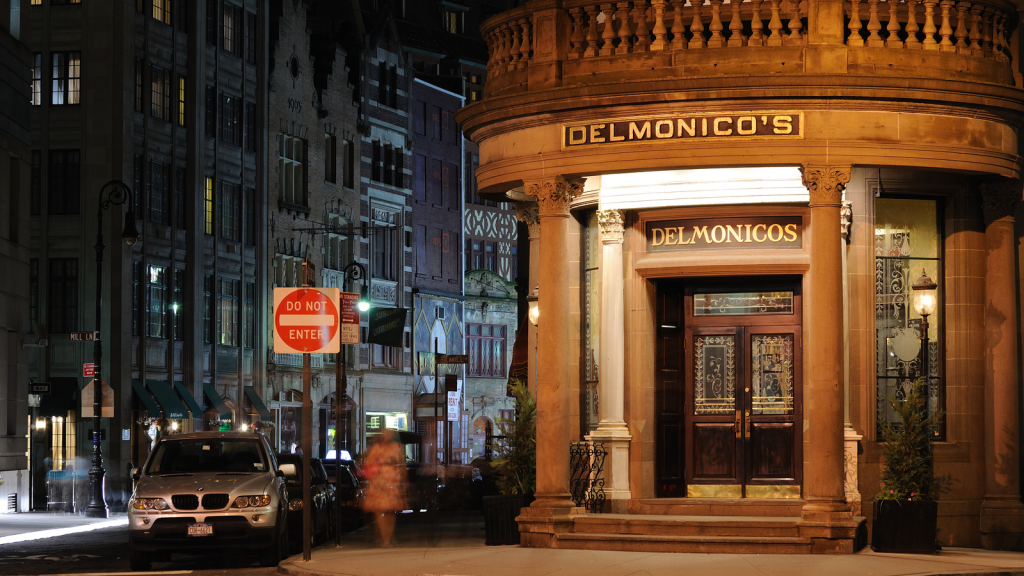
One early example was Delmonico’s in New York. It helped establish steak as a dish people went out specifically to eat.
In American steakhouses, menus stayed narrow. Restaurants listed cuts clearly. Prices remained fixed. Kitchens focused on cooking meat well. Portion size, doneness, and consistency mattered most.
By the early 20th century, steakhouses became social spaces. Business diners used them often. Regular guests returned to the same tables. People chose steakhouses for celebrations.
Service followed clear routines. Guests ordered a cut. They chose doneness. The kitchen followed set steps. The meal moved at a steady pace.
Steakhouses did not chase trends. They offered familiarity. Guests knew what to expect each time they visited.
| Trivia: The Old Homestead Steakhouse in New York City opened in 1868. It is widely recognised as one of the oldest continuously operating steakhouses in the United States. |
Visit Blossom Steakhouse in Sanur
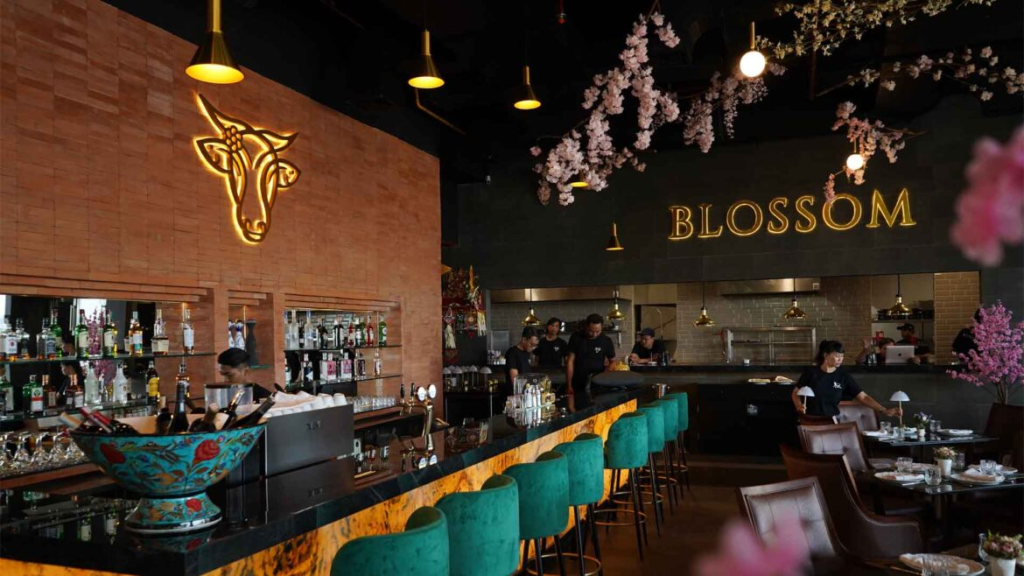
Blossom Steakhouse in Bali brings premium steakhouse dining to Sanur with ocean views and a refined yet welcoming setting. Guests enjoy dry-aged and charcoal-grilled beef, fresh seafood, attentive service, and options for groups, celebrations, or relaxed meals facing the sea. Book now.

How I can help?