
Chophouse vs Steakhouse
This chophouse vs steakhouse article gives the key differences between the two dining destinations.
You might have tried a steakhouse, but have you been to a chophouse? While walking past two restaurants, one might call itself a chophouse and another a steakhouse. What’s for sure is that both restaurants provide delicious, hearty cuts of beef.
The two terms – chophouse and steakhouse, are often used interchangeably and may look similar at first glance. You can expect premium cuts, confident cooking, and quite a serious or professional approach to meat. However, the differences go beyond marketing.
History, menu focus, atmosphere, and experiences all unfold differently. Here are some tips that settle the chophouse or steakhouse distinction to help you choose the right setting for your mood, appetite, and expectations:
Origin and Definition
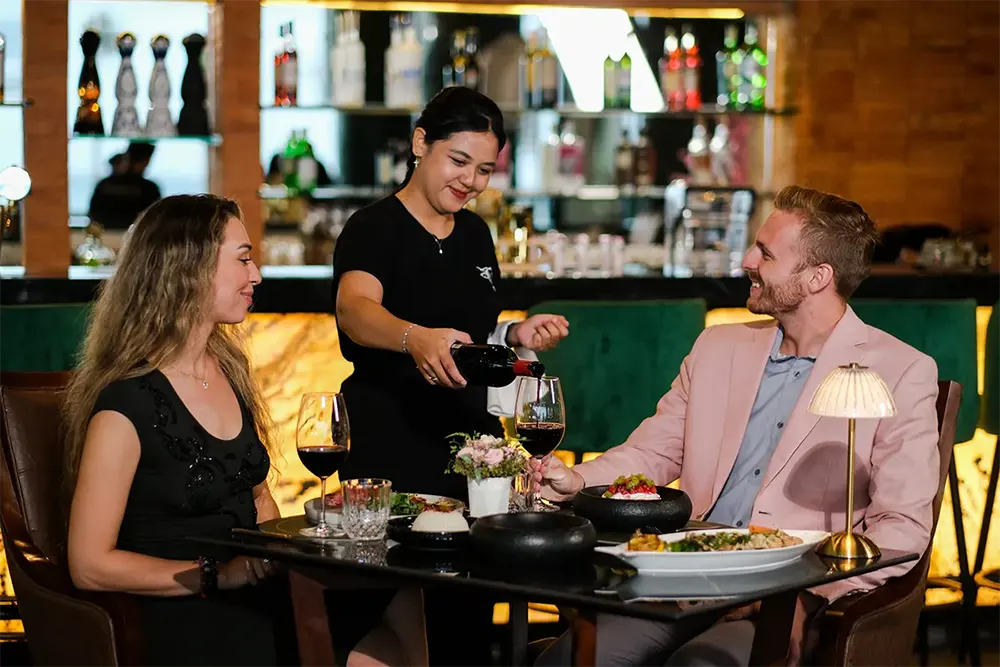
Chophouses can be traced back to 17th-century England, when these establishments were known for serving large bone-in cuts, also known as chops. The working patrons loved them, as the cuts were practical, hearty, and meat-forward.
It was all about sustenance more than ceremony, with the focus on portion size, flavor, and consistency. Today, chophouses generally offer a wide variety of meats, including lamb, pork, and veal chops.
Steakhouses emerged later and became closely tied to American dining culture. They grew alongside cattle ranching and fine dining, with the emphasis on premium cuts, beef aging techniques, and special cooking methods.
Over time, steakhouses evolved into a more refined identity associated with celebration and special occasions. Steakhouses also focus on high-quality, specialized beef cuts, such as ribeyes and tenderloins.
Menu Focus and Cut Selection
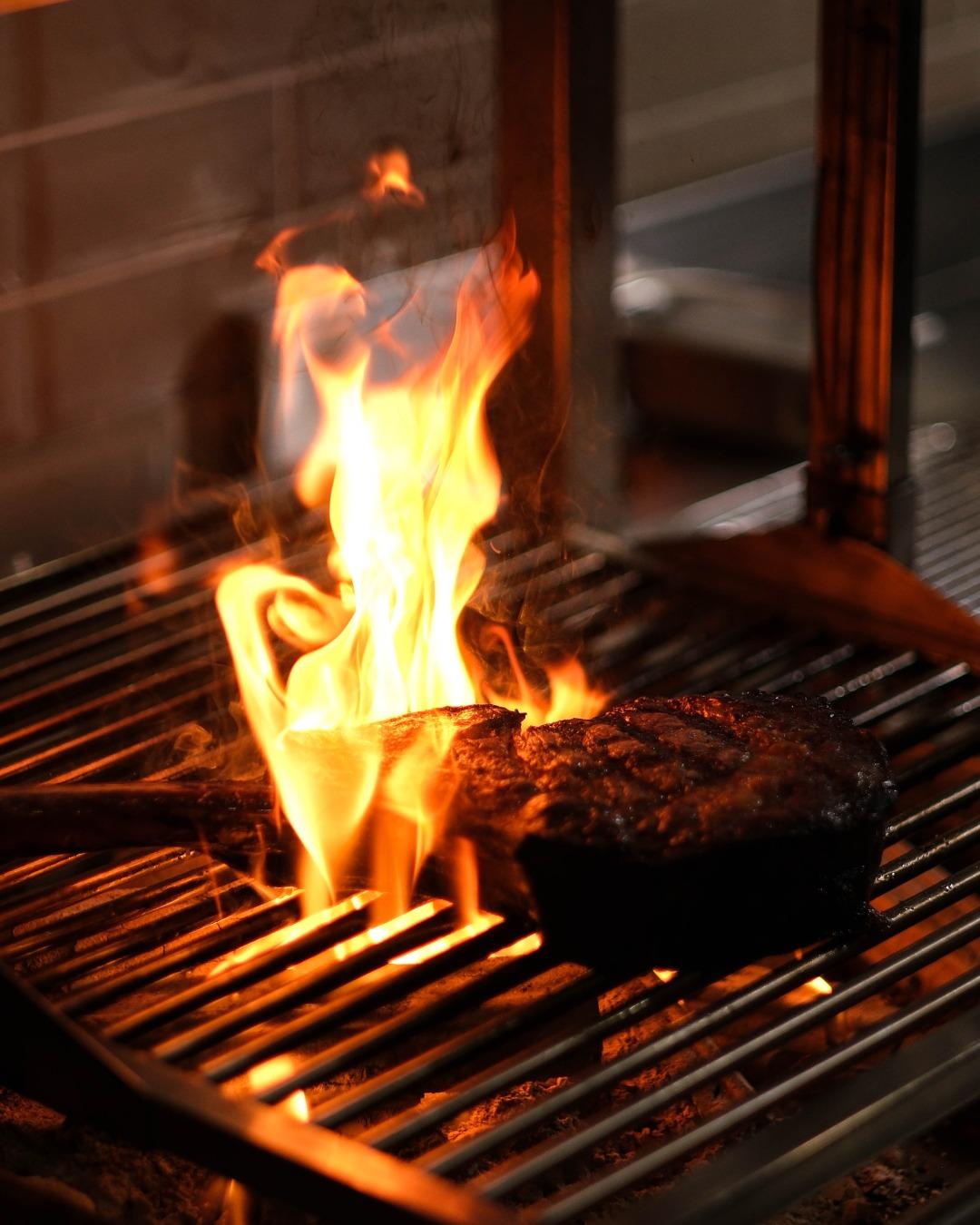
Chophouse menus tend to lean more on thick, robust cuts, with the bone in. They may come from multiple proteins, including pork, lamb, and veal, which share equal prominence. Flavors are bold and confident, and specialties are centered on chops or more casual, hearty fare.
Steakhouses are all about beef steaks, which are the center of the experience. You can expect high-end, USDA Prime, or dry-aged beef. Familiar offers include filet mignon, T-bone, and porterhouse, but the restaurants offer a wider range of beef cuts – filets, ribeyes, strips, and tomahawks. The cuts feature clear grading and sourcing details, and are served with sides, sauces, and starters designed to support the steak. You can order bread, seafood, and even chicken.
Cooking Style and Technique
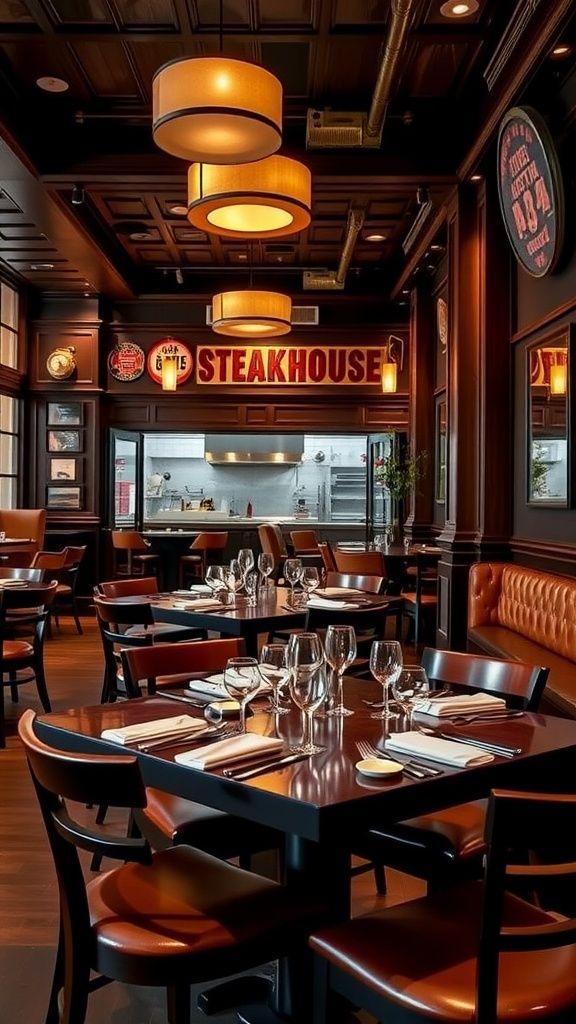
Chophouses are stuck in the classic ear, where traditional cooking methods highlight the richness and texture of various meats. You’ll find grilled, broiled, or pan-seared meats, with less emphasis on modern presentation. Seasoning is also restrained, mainly to allow the natural flavor of the meat to lead.
In steakhouses, cooking techniques span traditional, modern, and hybrid methods. Steakhouses love to showcase the technique as part of their identity, so you’ll find dry-aging rooms, precise temperature control, and signature finishing methods. Seasoning may remain simple, but the execution is often meticulous to maintain consistency. Meats also come in varying doneness levels, resulting in specialisation and unique focus from restaurant to restaurant.
Atmosphere and Dining Experience
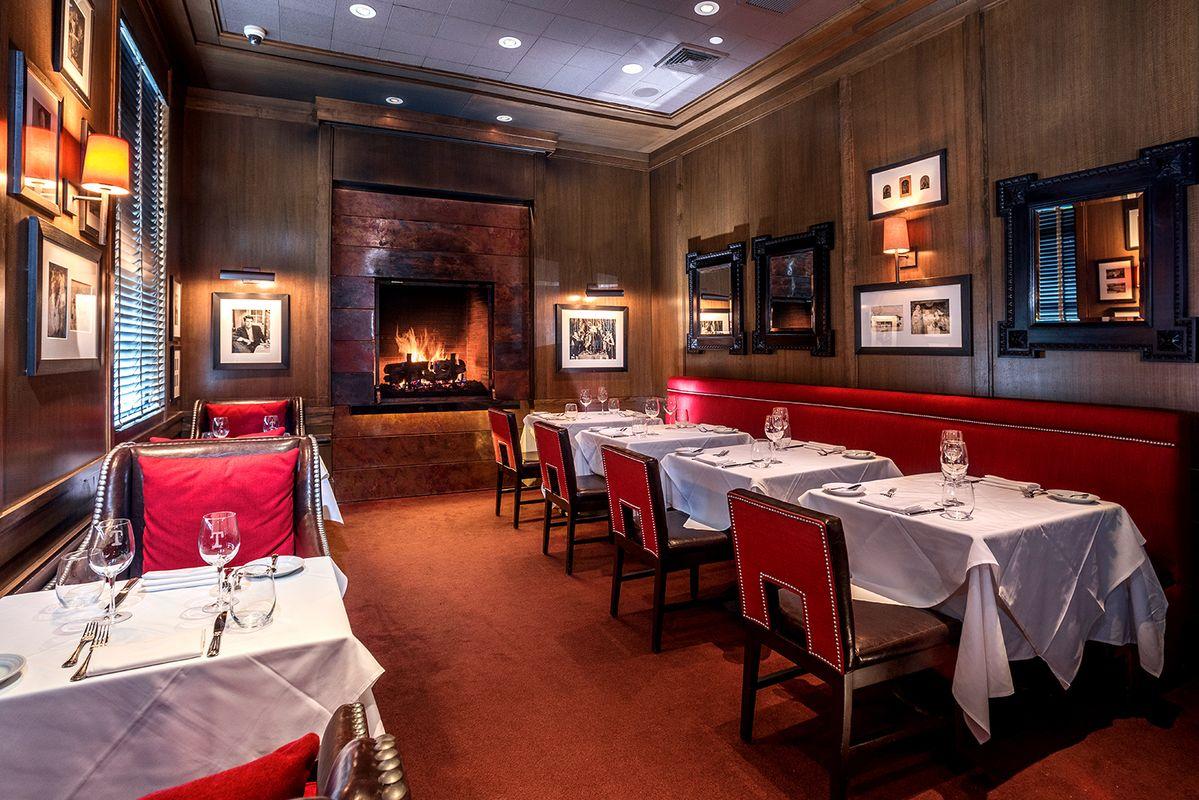
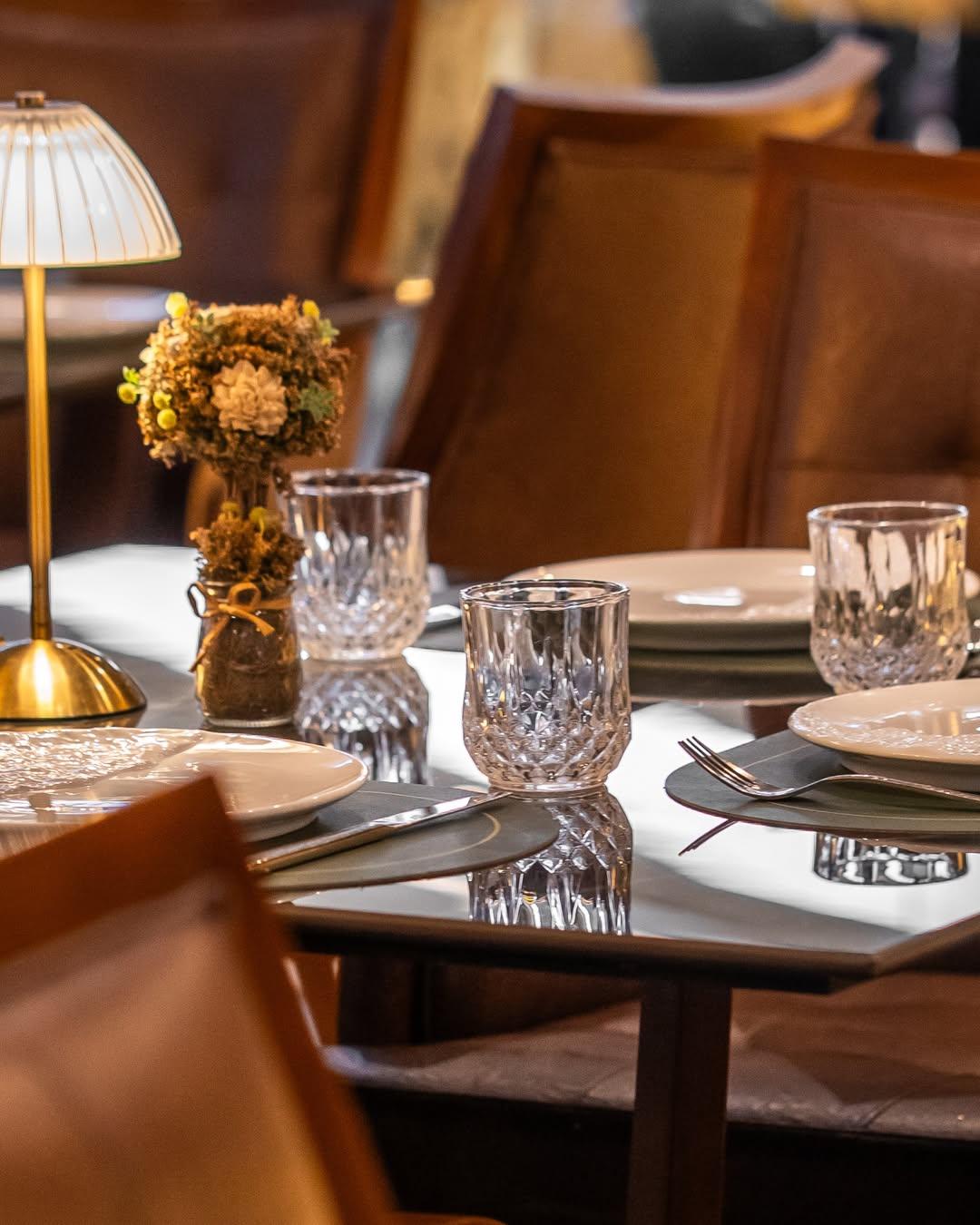
Chophouses have a specific sense of heritage and comfort, with interiors favoring dark wood, leather seating, and a slightly casual energy. This is a place to relax and enjoy conversations and generous meat portions. The atmosphere is cozy and has a pub-like feel.
Steakhouses lean toward a more polished dining environment. Lighting, table spacing, and service styles are carefully chosen to create a sense of occasion. This leads to an experience that feels more structured and paced, making steakhouses a popular choice for both casual and formal gatherings. Menus lean on exclusivity, with options like dry-aged or wagyu beef, leading to a sleek, modern feel. However, some steakhouses offer personalized services that position them as top destinations for families, couples, special diners, gatherings, and other events.
Pricing, Service, and Occasion
While very approachable, chophouses like to position themselves as premium eateries. Their pricing reflects quality and solid portions without heavy embellishment. Service is relaxed, but knowledgeable. The focus is on efficiency and familiarity, not ceremony. You can find classic, refined sides, such as creamed spinach and potatoes. Pairings also include a wide selection of whiskeys and robust red wines.
Steakhouses are undoubtedly premium. Everything from the atmosphere to the cuts, service, and overall experience is designed to command top quality. Beef sourcing, aging programs, and elevated standards naturally lead to higher price points. Staff are also trained to engage guests in conversations and guide them through cuts, doneness, and pairings. The experience is more curated, giving these dining places purpose.

Which One Should You Choose – Steakhouse Vs Chophouse
What’s your intent? That’s the question to ask when choosing between chophouse vs steakhouse. Are you after hearty cuts in a relaxed, casual setting with a traditional atmosphere? Maybe you prefer precision, variety, and a refined approach to dining.
Each establishment has a unique experience and offering, so it’s a good idea to try both from reputable establishments. Steakhouses generally deliver the promise of casual and formal diners and families.
You can find quality beef, seafood, and salads. Wines, beers, and spirits also offer excellent pairings, and atmospheres vary depending on location. Ultimately, your preferences will dictate which experience you end up gravitating toward.

How I can help?